Private Aviation Networking Explained for Business Travelers

Private Aviation Networking Explained for Business Travelers
Private aviation networking is defined as the practice of building professional relationships within the private aviation sector through exclusive environments, industry events, and digital platforms. For business travelers and high-net-worth individuals, this form of networking unlocks access to deals, referrals, and partnerships that commercial travel simply cannot replicate. Organizations like the NBAA (National Business Aviation Association) and the FAA set the regulatory and professional standards that shape how this industry operates. Platforms like Bluebirdjets give members direct access to the private aviation ecosystem, making it easier to position yourself within these circles from day one.
What is private aviation networking, and why does it matter?
Private aviation networking is the process of connecting with key professionals in the private aviation sector, including charter operators, brokers, high-net-worth individuals (HNWIs), and aviation service providers, through shared environments and curated events. Unlike general business networking, this niche relies heavily on trust, proximity, and repeated exposure rather than cold outreach or mass marketing.
The private aviation industry is built on relationships. A referral from a trusted peer carries far more weight than any advertising campaign. Networking in private aviation centers on earned proximity, meaning your reputation grows through consistent presence in the right rooms, not through broadcasting your services to a wide audience.

This matters practically because the sector’s client base is small and selective. Winning a single introduction to the right HNWI or charter broker can generate business worth multiples of what a traditional marketing spend would yield. The return on relationship investment in this industry is exceptionally high.
How do private jets function as networking venues?
Private jets are increasingly used as exclusive venues for business networking, enabling uninterrupted meetings in private settings. Private jet travel gives passengers immediate access to key stakeholders without the distractions of commercial terminals, security lines, or crowded lounges. That controlled environment turns a two-hour flight into a focused, productive meeting.
The advantages of networking aboard a private flight are specific and measurable:
- Privacy: Conversations stay confidential, which encourages candid discussion of deals, partnerships, and strategy.
- Exclusivity: Sharing a cabin signals mutual trust and peer status, which accelerates relationship building.
- Focused time: No interruptions from other passengers or airline staff means full attention stays on the conversation.
- Onboard technology: Wi-Fi, presentation screens, and video conferencing tools let passengers conduct live demos or connect with remote stakeholders mid-flight.
- Informal atmosphere: The relaxed setting lowers social barriers that formal boardrooms often create.
The informal atmosphere of a private cabin is particularly valuable. Decisions that stall in formal settings often move forward in relaxed, high-trust environments. Executives who travel by private jet consistently report that the flight itself becomes a productive part of the business day.
Pro Tip: Before boarding a shared private flight, research your fellow passengers. A brief, informed conversation opener lands far better than a generic introduction.
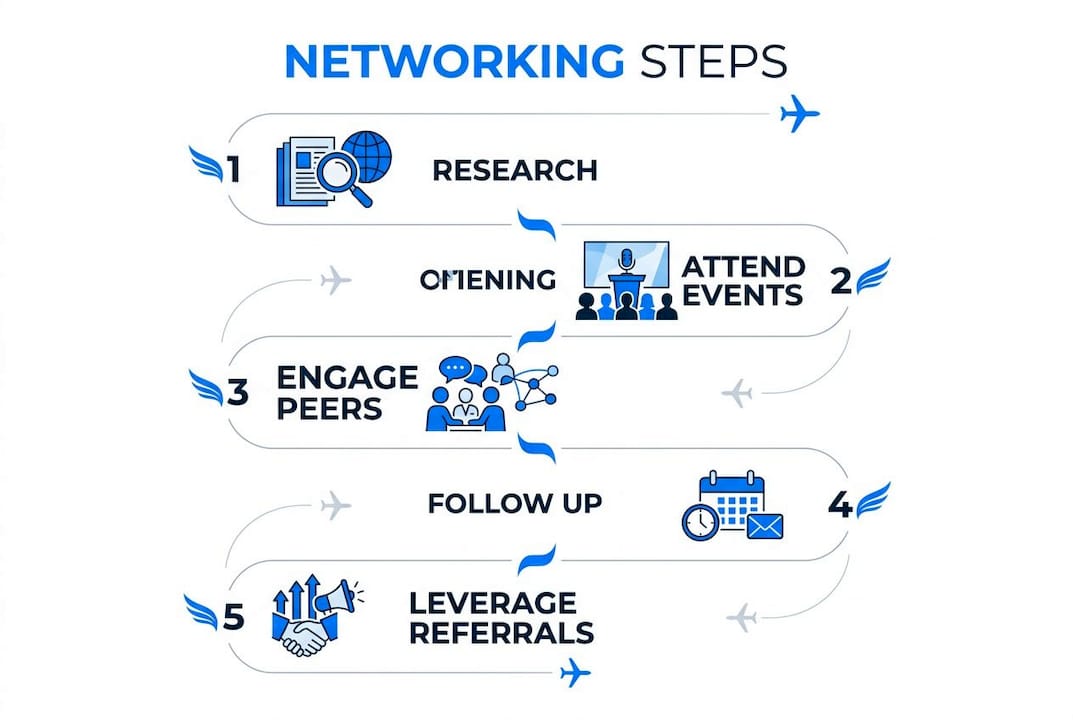
What are the best in-person networking opportunities in private aviation?
Structured events are the most reliable entry point for newcomers to private aviation networking. Industry events like the London Aviation HNWI Networking series typically run 2–2.5 hours and attract professionals from private client sectors, venture capital, and aviation services. The format alternates between morning breakfasts and evening receptions, both designed to encourage conversation rather than presentations.
The most productive in-person networking opportunities follow this general pattern:
- Monthly breakfast meetups: Low-pressure, early-morning formats attract senior professionals who prefer efficiency. Attendees include charter brokers, aviation lawyers, and HNWI wealth managers.
- Evening receptions: These draw a broader mix of aviation service providers and investors. The social atmosphere makes it easier to build rapport before discussing business.
- FBO lounges and VIP terminals: Fixed-base operators (FBOs) are the physical hubs of private aviation. Spending time in these spaces puts you in proximity to pilots, operators, and frequent flyers organically.
- Aviation trade shows and expos: Events like NBAA-BACE bring together thousands of industry professionals in one place, with dedicated networking sessions built into the schedule.
- Industry association meetings: NBAA regional chapters and similar bodies host smaller, more focused gatherings where relationships deepen over time.
Networking events in this sector prioritize relaxed formats specifically to facilitate meaningful conversation and business card exchanges in low-pressure settings. That design choice is intentional. The goal is rapport first, business second.
“True networking success in private aviation depends on earned proximity through presence in curated operational spaces rather than transactional introductions or cold outreach. Repeated exposure in VIP terminals, luxury events, or industry lounges establishes the trust that drives business referrals.”
Bring physical business cards to every event. In an industry where discretion is valued, a card exchange signals professionalism and gives the other person control over follow-up timing.
How do digital platforms support aviation networking?
Digital networking in aviation relies on active engagement in specialized LinkedIn groups, authentic storytelling, and virtual meetups to build industry reputation and mentorships. Following influencers and contributing to community-led discussions creates meaningful connections that extend well beyond any single event.
The most effective digital tactics for private aviation networking include:
- LinkedIn aviation groups: Join groups focused on private aviation, charter operations, and business aviation. Contribute answers, share observations, and comment on others’ posts consistently.
- Authentic storytelling: Share real experiences from flights, events, or deals. Generic content gets ignored. Specific, honest posts build credibility.
- Virtual meetups: Many aviation associations now host online sessions. Attending these regularly puts your name in front of the same professionals you would meet at in-person events.
- Industry publications and forums: Platforms like Aviation Week and AIN Online host comment sections and forums where professionals exchange views. Consistent, informed contributions build a visible reputation.
The key word in digital aviation networking is consistency. A single post or comment does nothing. Showing up weekly in the same communities, over months, creates the familiarity that eventually converts to introductions and referrals.
Pro Tip: Post one specific observation about the private aviation market each week on LinkedIn. Tag relevant professionals only when your comment directly involves them. This builds visibility without feeling like self-promotion.
For those building their digital presence alongside their travel activity, the 2026 booking guide from Bluebirdjets covers how digital reputation and booking behavior intersect in the private aviation world.
How does the referral ecosystem work in private aviation?
The referral ecosystem is the core channel for winning clients in private aviation. Introductions from trusted peers yield higher quality and longer-lasting business relationships than traditional marketing. This is not a soft claim. In a sector where a single client relationship can be worth hundreds of thousands of dollars annually, the economics of referral-based growth are decisive.
The table below shows how the referral model compares to traditional outreach in private aviation:
| Approach | Trust level | Conversion rate | Relationship longevity |
|---|---|---|---|
| Cold outreach | Low | Low | Short |
| Event attendance | Medium | Medium | Medium |
| Peer referral introduction | High | High | Long |
| Repeated presence in shared spaces | Very high | Very high | Very long |
Networking in private aviation integrates formal events, informal interactions at major aviation hubs, and digital collaboration to drive both business growth and safety standards. Strong communication among stakeholders also enhances operational efficiency and regulatory compliance, making networking a strategic necessity beyond marketing alone.
The practical implication is clear. Prioritize being a consistent, contributing presence in the environments where your target peers already gather. Avoid aggressive sales tactics. The professionals who earn the most referrals in this sector are known for giving value, whether that means sharing a useful contact, offering an informed perspective, or simply showing up reliably over time.
Successful private aviation networking shifts focus from sales pitches to contributing insights and support, which builds lasting professional reputations. Consistency and presence in key environments lead to earned trust over time. That trust is the actual currency of this industry.
Key Takeaways
Private aviation networking succeeds through earned proximity, consistent presence, and peer referrals rather than broad visibility or aggressive outreach.
| Point | Details |
|---|---|
| Define your entry point | Start with structured events like NBAA gatherings or HNWI breakfast meetups to meet the right professionals. |
| Use the flight itself | Private jet cabins are productive networking venues. Use focused, uninterrupted time to build real rapport. |
| Build digital consistency | Post weekly on LinkedIn aviation groups and contribute to forums to create familiarity before in-person meetings. |
| Prioritize referrals over cold outreach | Peer introductions in private aviation convert at a far higher rate and produce longer-lasting relationships. |
| Show up repeatedly | Trust in this sector is built through repeated exposure in VIP terminals, events, and industry lounges, not one-time meetings. |
What I’ve learned about networking in private aviation
The biggest mistake newcomers make is treating private aviation networking like a sales funnel. They attend one event, hand out cards, follow up with a pitch, and wonder why nothing converts. That approach misreads how this industry actually works.
The professionals who build the strongest networks here are not the loudest in the room. They are the ones who show up to the same breakfast every month, who remember what you said last time, and who introduce you to someone useful without being asked. That behavior compounds. After six months of consistent presence, you stop being a stranger and start being a peer.
Digital and in-person networking reinforce each other in ways most people underestimate. A thoughtful LinkedIn comment before an event means the person you want to meet already recognizes your name. That recognition shortens the trust-building timeline dramatically.
My honest advice: pick two or three environments, whether that is a specific FBO lounge, a monthly industry breakfast, or a LinkedIn group, and commit to showing up consistently for at least six months. Do not spread yourself thin across every platform and every event. Depth of presence beats breadth of exposure every time in this sector.
— Nick
How Bluebirdjets membership fits into your networking strategy
Bluebirdjets offers a membership that gives you unlimited access to empty legs on the platform. That access does more than save money on flights. It puts you in the private aviation ecosystem regularly, which is exactly where the networking opportunities described in this article happen.
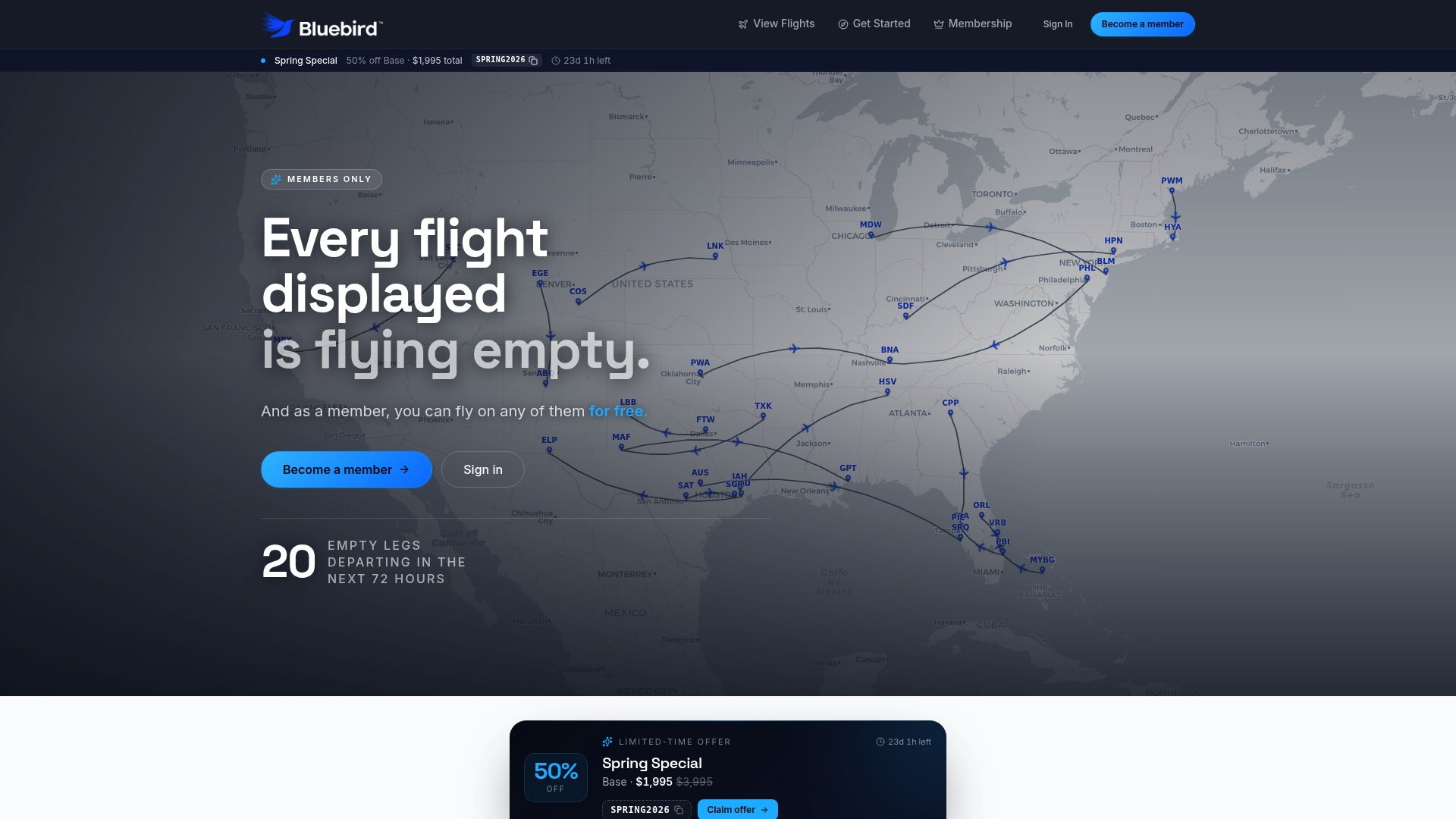
Frequent private aviation travel creates the repeated exposure that builds peer trust over time. Every flight is a potential connection, and every FBO lounge visit is a networking opportunity. A Bluebirdjets membership gives you the consistent access to private aviation that makes those opportunities available on a regular basis. If you are serious about building relationships in this sector, regular access to private flights is not a luxury. It is the foundation.
FAQ
What is private aviation networking?
Private aviation networking is the practice of building professional relationships within the private aviation sector through shared environments, industry events, and digital platforms. It focuses on trust and peer referrals rather than broad marketing reach.
How do I start networking in private aviation?
Attend structured industry events like NBAA regional meetings or HNWI breakfast meetups, and join active LinkedIn groups focused on private aviation. Consistent presence over time builds the peer recognition that leads to referrals.
Why are referrals so important in private aviation?
Peer referrals in private aviation convert at a higher rate and produce longer-lasting relationships than cold outreach or advertising. The sector’s client base is small and selective, so a trusted introduction carries significant weight.
Can digital platforms replace in-person aviation networking?
Digital platforms support but do not replace in-person networking in private aviation. LinkedIn groups and virtual meetups build familiarity, but trust in this sector ultimately forms through repeated face-to-face exposure in shared operational spaces.
What role do FBOs play in private aviation networking?
Fixed-base operators (FBOs) serve as informal networking hubs where pilots, charter operators, brokers, and frequent flyers interact regularly. Spending time in FBO lounges creates organic proximity to the professionals who drive referrals in this industry.