Under 50 Hours? Best Six Passenger Jets to Charter, Buy, or Join
Under 50 Hours? Best Six Passenger Jets to Charter, Buy, or Join
The best six-passenger jets split into two camps: efficient light jets like the Embraer Phenom 300/300E and Cessna Citation CJ3/CJ4 for shorter hops, and lower-end midsize models like the Citation XLS/XLS+ when a stand-up cabin and real baggage room matter. The Pilatus PC-24, Citation Mustang, and Eclipse 500/550 round out the field for budget-minded or short-range missions. Pick by mission fit, not seat count.
TL;DR:
- The Phenom 300 offers a wider cabin and coast-to-coast range ideal for groups of four to six, with used prices typically in the mid-single digits.
- The Citation CJ3 and CJ4 are popular for regional missions due to strong support networks, decent baggage space, and reliable performance.
- Short regional trips under 1,200 nautical miles suit planes like the Mustang, Eclipse, or PC-24, with lower operating costs and limited luggage capacity.
- The XLS/XLS+ provides stand-up cabin comfort and larger baggage compartments, making it a good choice for longer-range travel with more luggage.
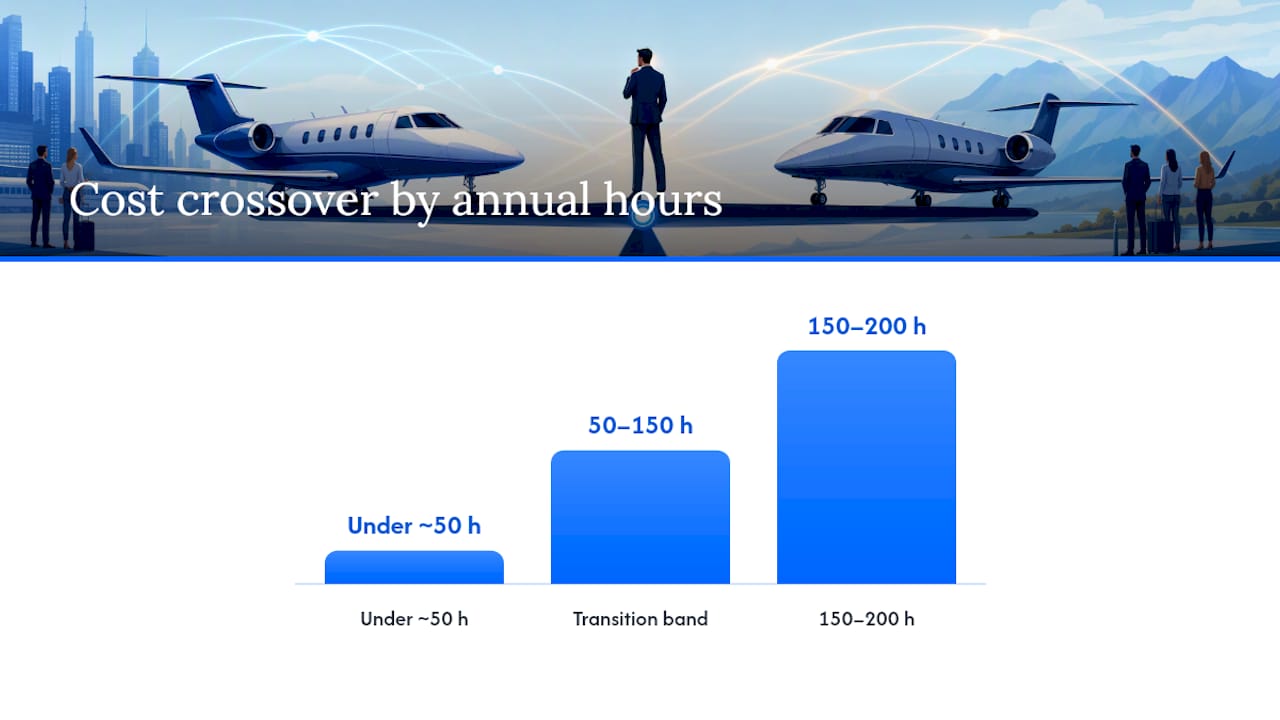
- Charter, membership, or ownership costs vary greatly depending on annual flight hours, with fixed costs becoming more competitive after around 150 to 200 hours per year.
Table of Contents
- What Are the Best 6-Passenger Jets Right Now?
- How Do You Match Range, Cabin, and Baggage to Your Trip?
- Should You Charter, Join a Membership, or Buy?
- Who Wrote This Guide and What Does BluebirdJets Offer?
- When Does a Six-Passenger Jet Actually Make Sense?
- Get Unlimited Empty-Leg Access With BluebirdJets
- Sources
What Are the Best 6-Passenger Jets Right Now?
Six seats on a spec sheet does not mean six comfortable seats on a three-hour flight. Cabin height, baggage volume, and range separate a jet that works for your trip from one that just technically fits your passenger count.
- Embraer Phenom 300/300E: The Phenom 300 is widely regarded as a top light-jet pick for groups of four to six, thanks to a wider cabin than most light jets and enough range for coast-to-coast connections with a fuel stop. Charter availability is strong, and used units from the early 2010s typically trade in the mid-single-digit millions depending on avionics and engine time.
- Cessna Citation CJ3/CJ4: These are the workhorses of American charter fleets. Parts and maintenance support are dense across the U.S., which keeps dispatch reliability high. Baggage room is decent for a light jet, and the CJ4 stretches range enough for most regional and coast-adjacent missions.
- Cessna Citation Mustang: The entry point into jet ownership. Operating costs run lower than anything else on this list, but the cabin is genuinely tight and range limits you to short hops, generally under 1,200 nautical miles. Good for a solo executive or a couple; less good for six adults with rolling bags.
- Pilatus PC-24: The one jet here built for flexible loading and rough-field access. Its oversized cargo door handles skis, golf bags, or mountain-bike cases that would never fit through a standard light-jet hatch. It also lands on shorter, unpaved strips other light jets can’t touch.
- Eclipse 500/550: The cheapest way into private jet travel, period. The cabin is narrow, the range is short, and six-passenger trips mean six people who know each other well. It fits short regional legs and budget-conscious buyers, not family vacations with luggage.
- Citation XLS/XLS+: The lower-end midsize choice when you actually need to stand up in the cabin. The XLS/XLS+ remains a favorite among charter operators for its combination of stand-up headroom, generous baggage hold, and dispatch reliability, even though it can technically seat up to eight.
How Do You Match Range, Cabin, and Baggage to Your Trip?
Jet categories map to mission length more reliably than they map to seat count. Light jets typically cover 1,800 to 2,100 nautical miles, very light jets like the Eclipse or Mustang top out around 1,200 to 1,500 nm, and midsize aircraft push past 2,700 nm.
- Short hop, under 1,200 nm. Think regional business trips or a weekend at a lake house two states over. The Mustang, Eclipse 500/550, and even the PC-24 handle this comfortably, and this is where operating costs stay lowest.
- Regional, 1,200 to 2,200 nm. The Phenom 300/300E and CJ3/CJ4 live here. Most East Coast to Midwest or Southwest routes fall in this band without a fuel stop.
- Transcontinental, over 2,200 nm. This is where light jets start to strain. The Citation XLS+ can stretch into this range with the right routing, but a true coast-to-coast nonstop usually calls for a midsize or super-midsize aircraft outside this list.
Cabin height decides comfort more than legroom does. Most light jets, including the Phenom and CJ-series, have a low-roof cabin where adults over 5’8" duck when moving around. The XLS/XLS+ is the exception here, with genuine stand-up headroom.
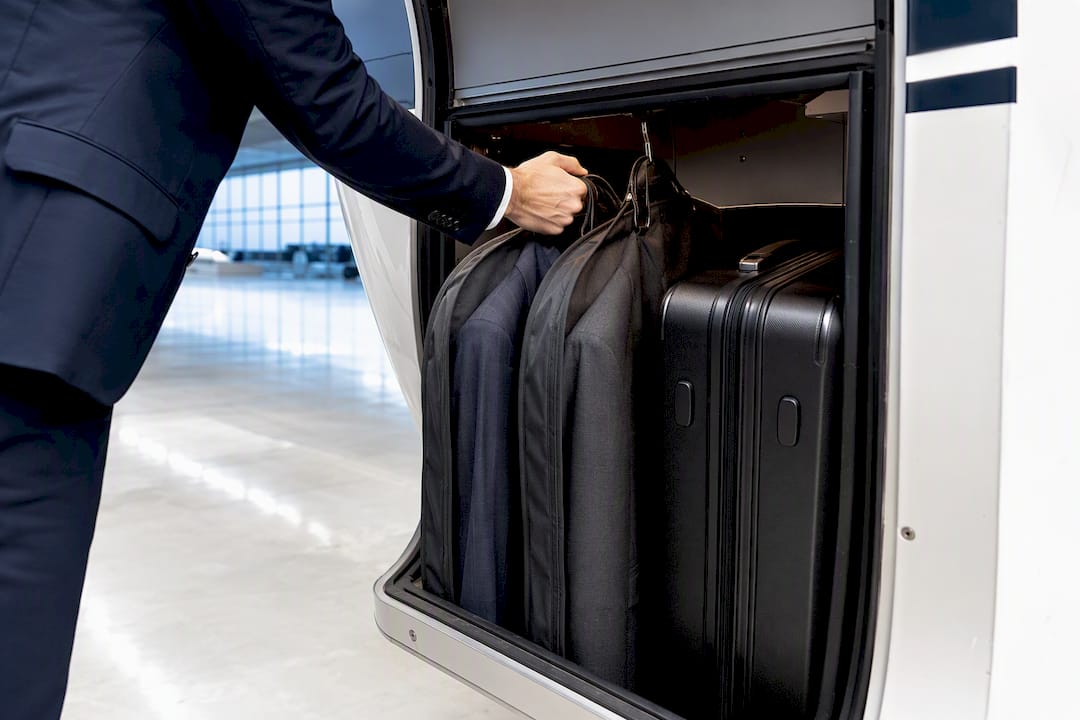
Baggage tells a similar story. Six passengers with garment bags and roller luggage will fill a Mustang’s hold fast; the PC-24’s oversized door and the XLS’s larger compartment handle bulky gear far better.
Charter and used-market price bands vary widely by model and market conditions. Hourly charter rates for a Citation XLS run roughly $3,800 to $5,500, while lighter jets like the Phenom or CJ3 typically undercut that. Used prices swing even more depending on engine cycles, avionics upgrades, and how recently the interior was refreshed.
Should You Charter, Join a Membership, or Buy?
The math usually turns on hours flown per year. Fly under roughly 50 hours annually and chartering, or a membership built on empty-leg access, tends to beat ownership on total cost. Cross into the 150 to 200 hour range and fixed ownership costs start looking more competitive against retail charter pricing. For a deeper breakdown of where that line falls for different aircraft classes, this private aviation cost breakdown is worth a read before you commit either way. Once you’ve arranged your flight, consider seamless group transfers with a Mercedes Sprinter Executive luxury van rental in New York City for the ultimate ground transport experience.
Ownership carries costs beyond the purchase price: maintenance reserves, a crew (even a single-pilot-eligible jet often flies with two), insurance, and hangar fees all stack up before a wheel leaves the ground.
If you’re shopping used, work through this before signing anything:
- Full logbook history with no gaps in maintenance records.
- ADS-B compliance and avionics generation, since older panels can mean expensive upgrades.
- Enrollment status in an engine or airframe maintenance program.
- Total engine cycles relative to the aircraft’s age and typical mission profile.
Charter and membership agreements deserve the same scrutiny. Ask about cancellation windows, peak-day surcharges around holidays, baggage limits per passenger, and pet policy before booking anything.
Pro Tip: Ask any operator or membership program for their empty-leg fill rate over the last quarter. A program with thin, unpredictable inventory looks great on a sales page and delivers nothing when you actually need a Tuesday flight.
Weighing ownership against access models first pays off; this guide to private aviation access walks through cards, fractional shares, and memberships side by side.
Who Wrote This Guide and What Does BluebirdJets Offer?
This guide comes from Nick, whose writing on the BluebirdJets blog covers jet categories, aviation access models, and cost structures for private flyers.
Membership-based empty-leg access changes the math for frequent, flexible flyers. BluebirdJets gives members unlimited access to empty-leg flights on operator-owned Learjet 60 aircraft, room for up to six guests per flight, and a live inventory with daily route updates and priority booking.
That’s one alternative among several. It won’t fit every travel pattern, but it’s worth weighing against the charter and ownership math above.
When Does a Six-Passenger Jet Actually Make Sense?
Executives get seduced by seat counts and forget cabin reality. A Mustang or Eclipse works fine for four colleagues flying light for a same-day meeting. Load six people with ski bags or golf clubs onto that same airframe and everyone regrets it by the second leg.
The most common mistake I see is assuming “six-passenger” means stand-up comfort. It usually doesn’t, outside the XLS/XLS+. The second is ignoring seasonality: empty-leg and charter availability tightens hard around holidays and major events, when demand spikes and light-jet inventory disappears first. Plan around that instead of against it, and the light-jet category earns its keep.
— Nick
Get Unlimited Empty-Leg Access With BluebirdJets
Chartering a Phenom 300 or a Citation XLS one trip at a time works, but the pricing resets every time you book. BluebirdJets flips that model: an annual membership provides unlimited access to empty-leg flights on operator-owned Learjet 60 aircraft, with room for guests riding along at no extra charge.
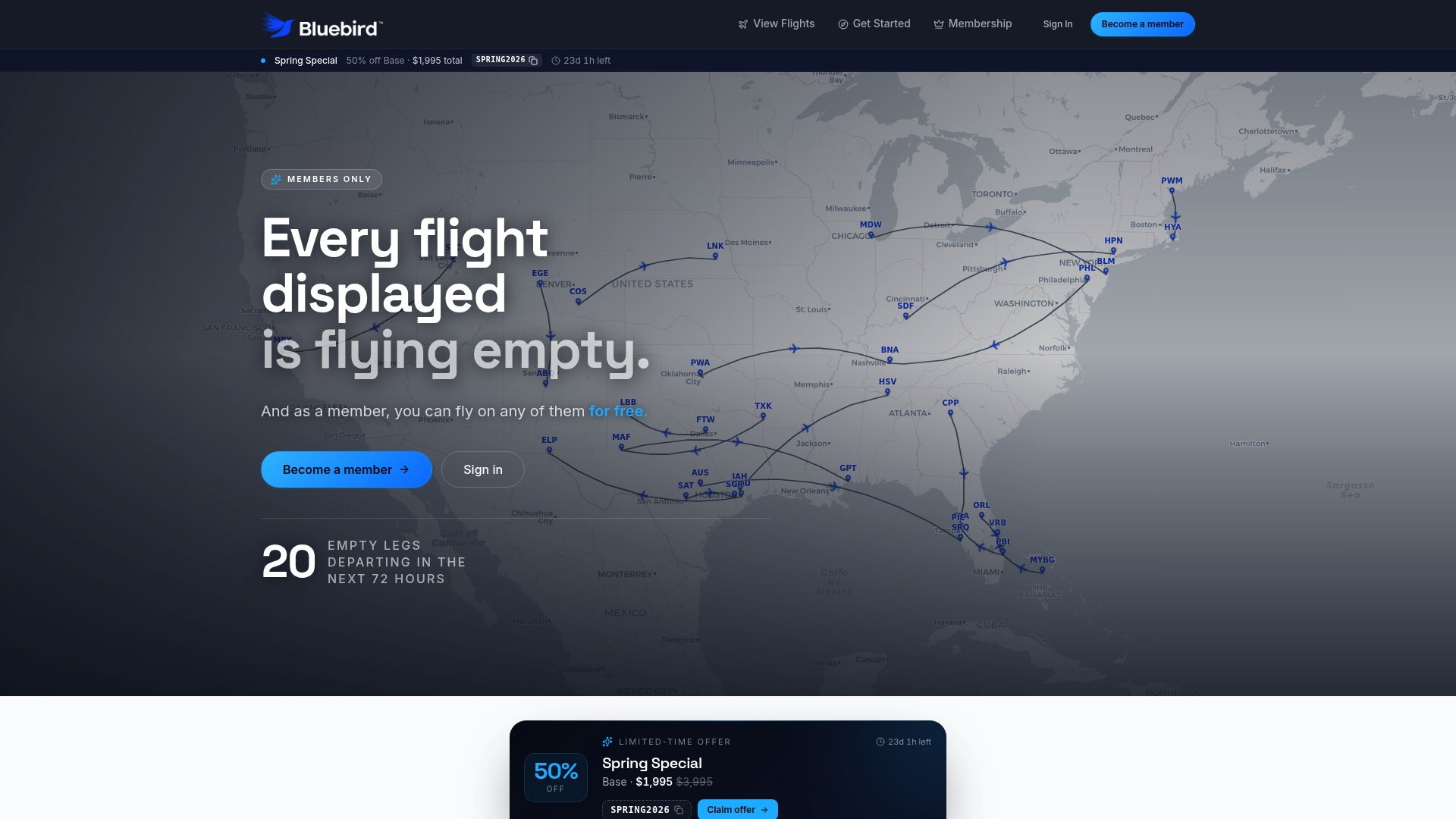
The live inventory updates daily, so you’re not stuck waiting on a callback from a broker. Queue and priority booking features put members ahead when a route opens up, and if the published empty-legs don’t line up with your dates, custom charter requests may be available as a paid add-on. This fits executives with variable schedules and anyone who flies spontaneously enough that a fixed annual fee beats paying full charter rates trip after trip. Check current routes and membership details on the BluebirdJets flights page, including listings like this empty-leg example showing what live inventory actually looks like.
Sources
- Citation XLS Review: Why It’s the Most Popular Midsize Charter Jet
- The Ultimate Guide to Family Jet Travel | Altitude Blog by BlackJet
- Light Jets (6-8 seats)